



Strategic Infrastructure
Established the first design system at whcc which boosted efficiency and added consistency
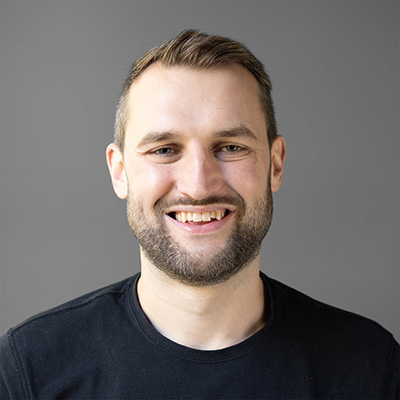
I'm a Christian born and raised in France, now residing and working in the United States. Currently working to help digital products grow through design and engineering at WHCC. Previously at Thomson Reuters, La Forge Des Marques, and Wowiwe Instruction Co. With over 15 years of visual design expertise paired with modern software engineering, I simplify complex ideas into clear, intuitive, and scalable digital products.
My path started at age 10 tinkering with Photoshop and basic web design, which led to a classically trained background (5-year BFA) in Graphic Design. Over the last 15+ years, I’ve applied those visual roots across software products of all scales, taking ideas from zero to one, setting strategic direction, and leading end-to-end redesigns.
I’ve designed across virtually every medium, including native iOS/Android, responsive web, desktop, 3D modeling, and emerging hardware (Watch, AR, VR, Glass). My extensive design foundation combined with frontend engineering allows me to push the boundaries of innovation while driving seamless cross-functional collaboration.
To build faster and close the gap between design and development, I stepped directly into engineering. Whether I’m conducting user research, establishing analytics frameworks, building high-fidelity interactive prototypes, or shipping production React code, I thrive on working through complexity to achieve the core vision.
Most recently, I turned a goal into reality by designing, building, and deploying Eternity, a full-stack Bible app published on the Apple App Store, Google Play Store, and web using React, Next.js, Supabase, and Vercel.
Whether it’s writing production code, building multi-level design systems, or aligning stakeholders, I fill whatever gaps are needed to keep products moving forward. Ultimately, I see my work as a way to steward the talents God has given me to build meaningful, human-centered software.
When I’m not designing or coding, you’ll find me studying God's word, spending time with my family, or kayaking down a river.
Featured in Behance Student Showcase, The Advocate (MSUM), and Arts & Humanities News (MSUM)
I'm passionate about creating products that are not only functional but also provide a good experience start to finish.
I've successfully partnered with the following companies to create unique products, an integration, and proof of concepts that drive growth and innovation.
Leading through strategic infrastructure, global innovation, and cultural transformation that drives organizational impact.
Established the first design system at whcc which boosted efficiency and added consistency
Pioneered the first VR experience for Thomson Reuters that resulted in secured patents
Initiated the organization's user research and analytics practices, opened avenues of communication with other branches for feedback, and created environement for building rapport with teammates
Led the effort to create design and team principles through cross-team workshops, and to align product strategy and vision with business goals
Encouraged a culture of communication with business leadership, and a framework for regular team check-ins
Co-workers trust my continual business-minded perspective and balance with user-centric design
I've worked on a variety of side projects to help me learn new skills, help others excell in their fields, and explore new ideas.
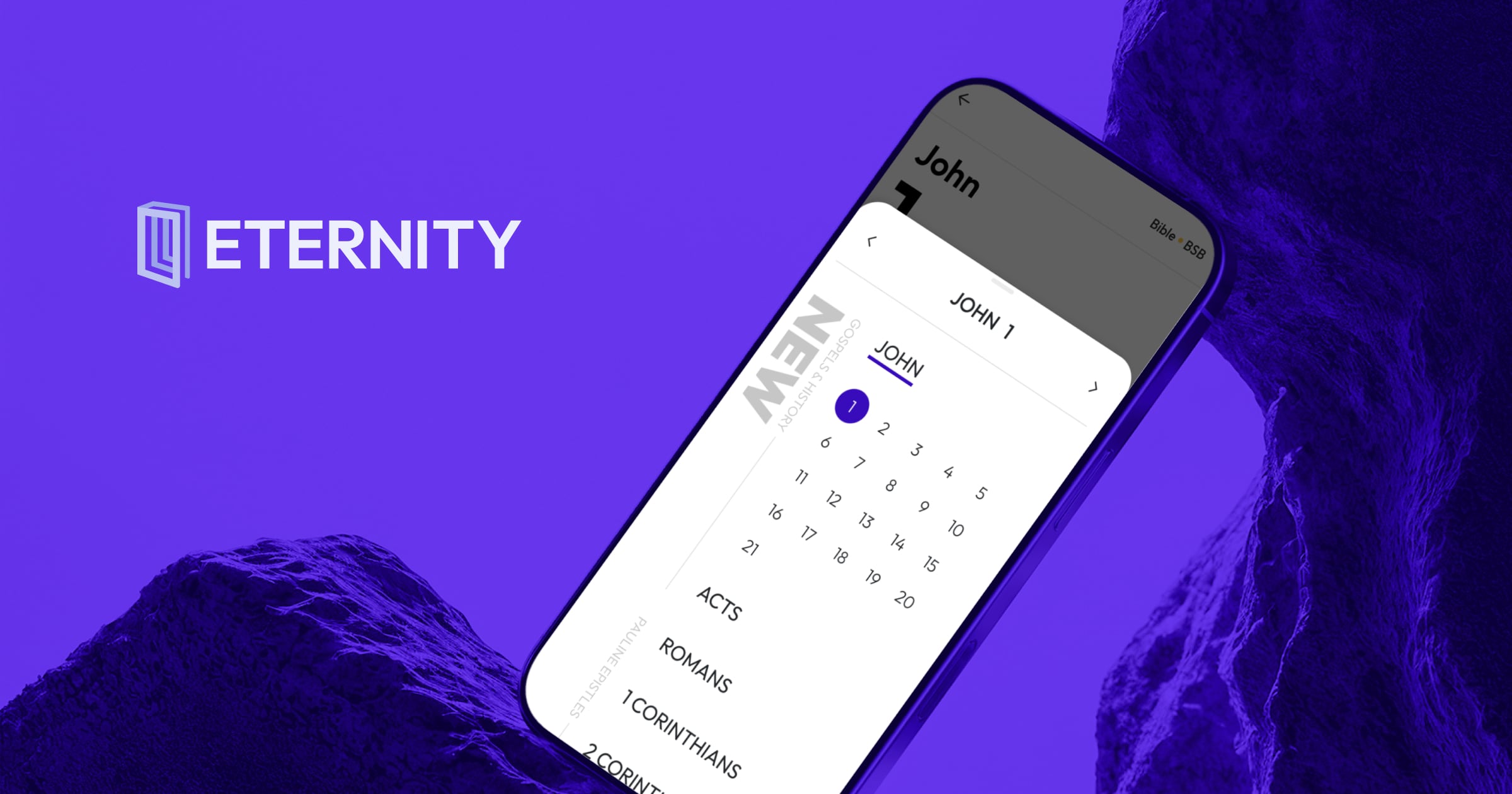
A full-stack web application demonstrating my solo React/NextJS capabilities. Built with modern tools and deployed to production
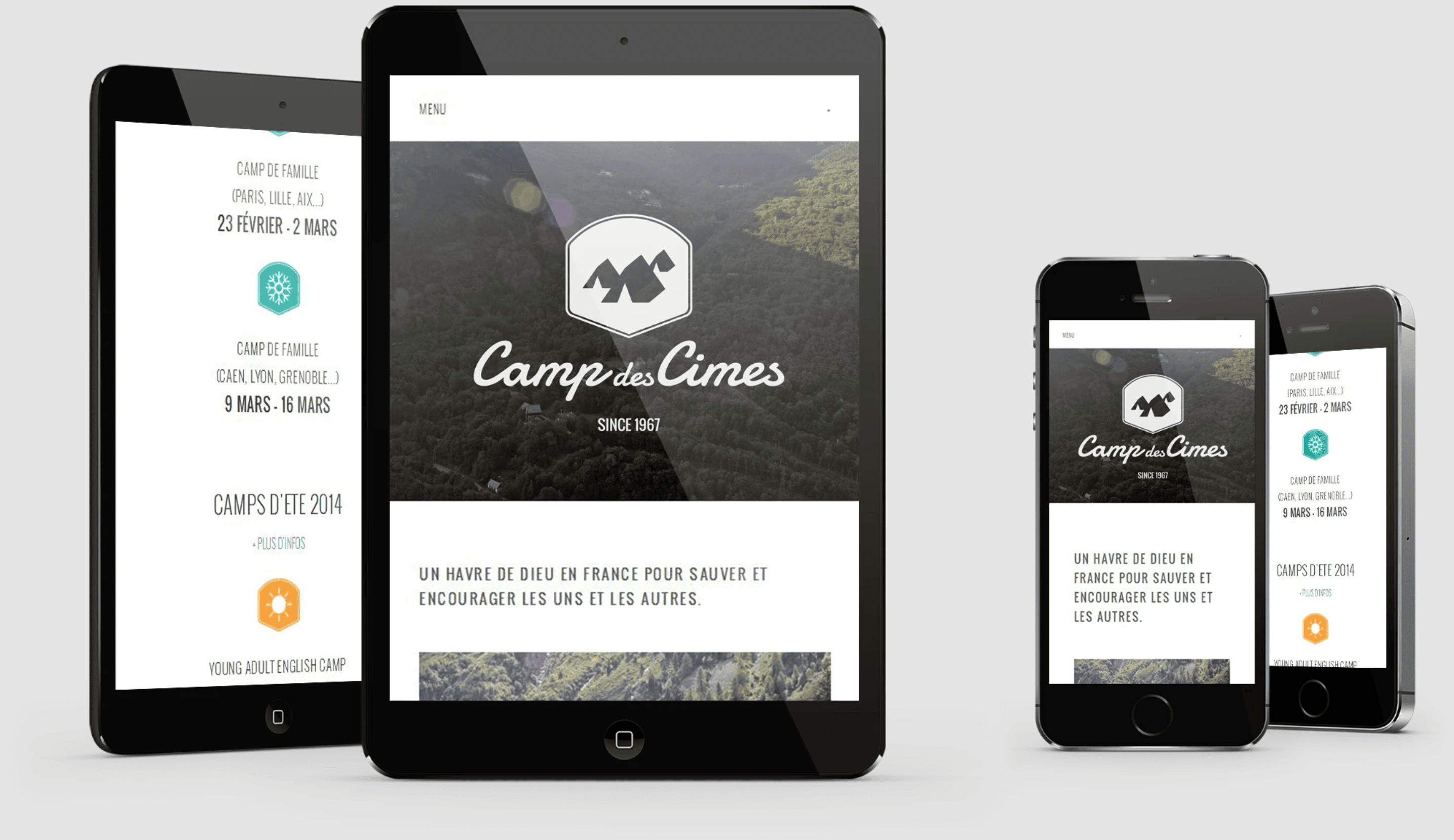
Volunteer work for various Non-Profits to help them with their websites, branding, and digital presence
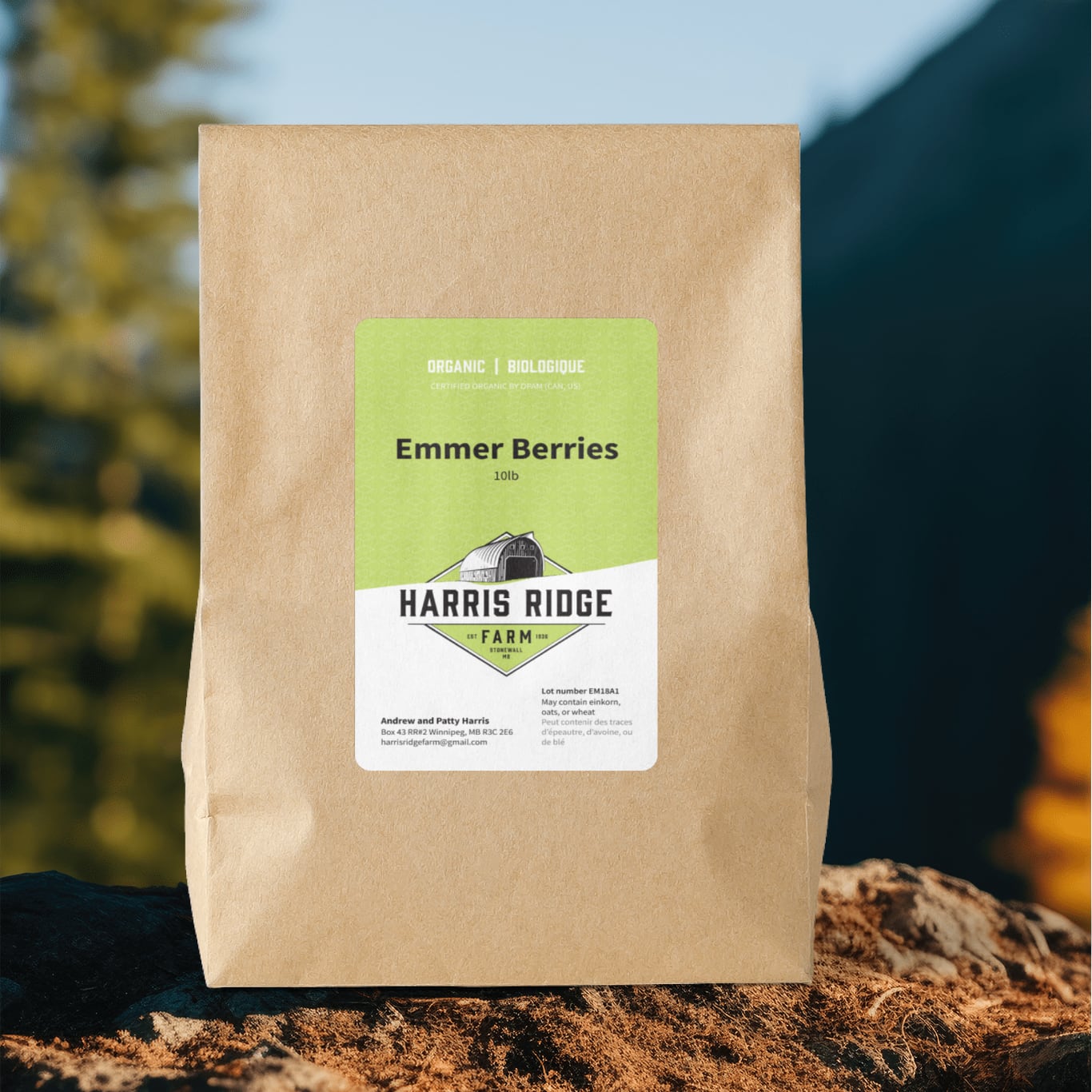
Freelance branding and design work for a wide variety of clients for 15 years